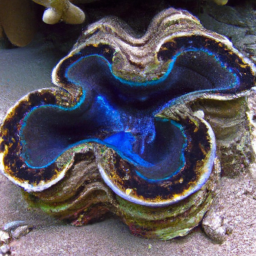
Adı : Southern Giant Clam
Southern Giant Clam or Tridacna in Latin, is a species of large clam that can be found in the shallow waters of the Indo-Pacific region. These amazing creatures are known for their unique characteristics and impressive size.
The Southern Giant Clam is the largest bivalve in the world, and can grow up to 1.2 meters in length and weigh over 200kg. They have a beautiful and colorful shell, which can range from light blue to bright green, with intricate patterns and designs.
One of the most fascinating things about Southern Giant Clams is that they have a symbiotic relationship with a type of algae called zooxanthellae. The clams provide a home for the algae, and in return, they receive nutrients from the photosynthesis process. This relationship enables the giant clams to grow quickly and in large numbers, which is essential for the survival of their species.
Southern Giant Clams are also important for coral reef ecosystems, serving as a food source for many marine animals such as sea stars, crabs, and fish. Unfortunately, human activity such as overfishing, pollution, and habitat destruction are serious threats to the survival of these magnificent creatures.
In some cultures, Southern Giant Clams are considered a delicacy and have been harvested for food and trade for centuries. However, efforts are being made to conserve and protect these clams and their habitats, including creating marine protected areas and regulating fishing practices.
Overall, the Southern Giant Clam is a fascinating and important creature of the ocean. We should all do our part to ensure that these amazing animals are protected and continue to thrive for future generations to admire and appreciate.
Tridacna dev midye sulh midyesi simbiyotik ilişki mercan resifi ekosistemi tehdit koruma avlanma